

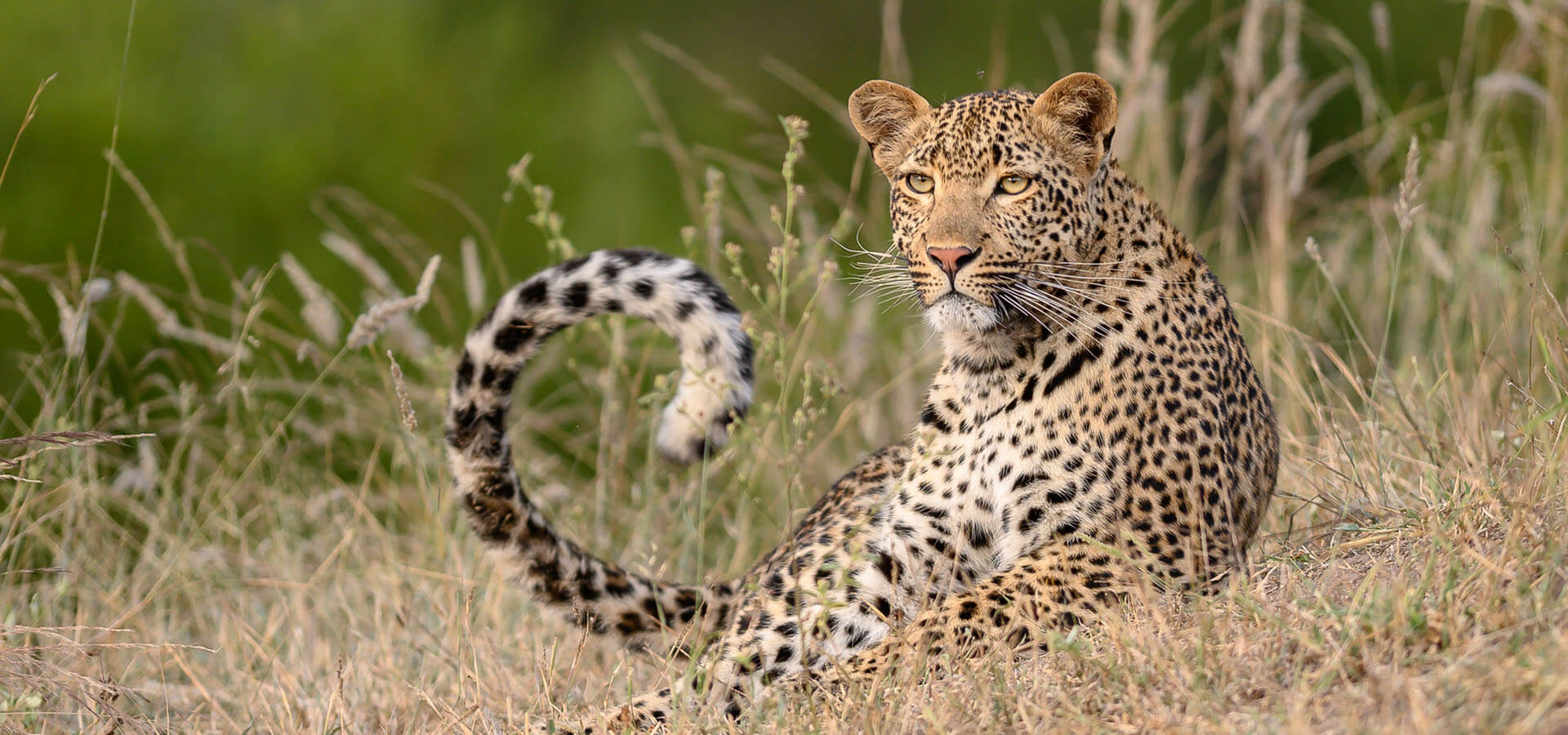
Capture Incredible Safari Moments
Wildlife photography is one of the highlights of an African safari. Early morning and late afternoon provide the best lighting conditions for capturing animals in their natural habitats.
Travelers interested in photography safaris can explore different safari experiences on our Trip Types page.
Capture the Wild Like a Pro on Your African Safari
An African safari offers some of the most breathtaking wildlife photography opportunities in the world. From the vast plains of the Maasai Mara National Reserve to the dramatic landscapes of Serengeti National Park, every moment presents a chance to capture unforgettable images. With the right techniques, camera settings, and preparation, you can take stunning safari photos that preserve the beauty of Africa’s wildlife and landscapes.
Whether you are a beginner or an experienced photographer, these wildlife photography tips for African safaris will help you improve your skills and maximize every game drive.
Choose the Right Camera Gear for Safari Photography
Having the right equipment can significantly improve your safari photography experience. A DSLR or mirrorless camera with fast autofocus and strong low-light performance is ideal for wildlife photography.
Recommended Safari Photography Gear
- Telephoto lens (200mm–600mm) for distant wildlife
- Wide-angle lens for landscapes and safari camp shots
- Extra batteries and memory cards
- Bean bag or monopod for vehicle stability
- Lens cleaning kit for dusty environments
- Camera rain cover for unexpected weather
A zoom lens is highly recommended because wildlife distances can change quickly during game drives.
Use the Best Camera Settings for Wildlife Photography
Fast-moving animals require quick camera adjustments. Using the correct settings helps freeze motion and maintain image sharpness.
Suggested Camera Settings
- Shutter Speed: 1/1000s or faster for moving animals
- Aperture: f/4 to f/6.3 for blurred backgrounds
- ISO: Adjust according to lighting conditions
- Autofocus Mode: Continuous autofocus (AI Servo/AF-C)
- Shooting Mode: Burst mode for action shots
For birds in flight or predators hunting, fast shutter speeds are essential to capture sharp images.
Understand Animal Behavior
One of the best wildlife photography tips for African safaris is learning animal behavior. Predicting movements helps you position yourself for stronger compositions and action shots.
Watch for:
- Lions preparing to hunt
- Elephants interacting in herds
- Birds taking flight
- Leopards descending from trees
- Cheetahs scanning the horizon before a sprint
Patience is key. Often, the best wildlife photos come after waiting quietly for the perfect moment.
Take Advantage of Golden Hour Lighting
Lighting plays a major role in wildlife photography. The best safari photos are usually captured during:
- Early morning game drives
- Late afternoon safaris
Golden hour provides soft, warm light that enhances animal textures and natural colors. Midday sunlight can create harsh shadows and overexposed highlights.
Focus on the Eyes
Sharp eyes create emotional and engaging wildlife portraits. When photographing animals, always focus on the eyes whenever possible. This makes the image feel more alive and draws viewers into the scene.
Improve Your Safari Photo Composition
Good composition transforms ordinary wildlife photos into powerful storytelling images.
Composition Tips
- Use the rule of thirds
- Leave space in the direction animals are moving
- Include environmental elements
- Avoid placing subjects directly in the center every time
- Capture different angles and perspectives
Landscape shots featuring wildlife within the vast African scenery can create dramatic safari photographs.
Stay Ready for Unexpected Moments
Wildlife photography is unpredictable. A leopard crossing the road or elephants charging through dust may happen within seconds.
Keep your camera:
- Powered on during game drives
- Settings pre-adjusted
- Lens cap removed
- Telephoto lens attached when wildlife activity increases
Preparation helps you avoid missing once-in-a-lifetime moments.
Respect Wildlife and Safari Guidelines
Responsible wildlife photography protects both animals and ecosystems. Always follow your guide’s instructions and maintain a safe distance from wildlife.
Avoid:
- Loud noises
- Flash photography near animals
- Sudden movements
- Pressuring guides to get too close
Ethical safari photography creates a safer and more sustainable experience for everyone.
Best Destinations for Wildlife Photography in Africa
Africa offers countless incredible safari photography destinations. Some of the most popular include:
- Maasai Mara National Reserve
- Amboseli National Park
- Serengeti National Park
- Kruger National Park
- Okavango Delta
Each destination provides unique wildlife encounters, landscapes, and photographic opportunities.
Final Thoughts
Wildlife photography on an African safari is about more than just taking pictures. It is about storytelling, patience, timing, and connecting with nature. By understanding your camera, improving composition, and respecting wildlife, you can capture extraordinary safari images that last a lifetime.
Whether you are photographing the Great Migration, elephants at sunset, or a lion resting in the savannah, every safari offers incredible moments waiting to be captured.


https://shorturl.fm/mwIgR
https://shorturl.fm/7PLwt